
Director
Muhammad Tayyab Ejaz
Maritime policy, strategy and institutional development
About Us
The Pakistan Maritime Research Centre (PMRC) is an independent think tank working under the guidance of Riphah Institute of Public Policy, Islamabad. It studies Pakistan's maritime affairs and the wider maritime environment in which the country's interests sit.
Introduction
The Pakistan Maritime Research Centre (PMRC) is an independent think tank working under the guidance of Riphah Institute of Public Policy, Islamabad. It studies Pakistan's maritime affairs and the wider maritime environment in which the country's interests sit.
The Centre's purpose is straightforward: to improve the quality of analysis and understanding available on maritime questions, and to help that analysis reach the institutions and people who make decisions about them.

What we are
A research centre — not an advocacy organisation, not a consultancy, and not a substitute for the institutions that hold policy authority.
PMRC is a research centre, not an advocacy organisation and not a consultancy. Its output is research, analysis and evidence-based recommendation, produced to a standard that stands up to scrutiny from specialists and remains accessible to non-specialists.
The Centre works across the breadth of maritime affairs — strategy and security, economics and trade, law and governance, ports and logistics, the merchant marine and seafarers, the marine environment, and the regional and global developments that shape Pakistan's maritime position.
Its work is deliberately interdisciplinary. Maritime questions rarely sit within a single discipline: a port decision is also a trade decision and often a strategic one; an environmental question is usually also a legal and economic one. PMRC's research is organised to reflect that.
Institutional relationship
PMRC is an independent think tank working under the guidance of Riphah Institute of Public Policy, Islamabad, which provides the Centre's academic guidance and its connection to a wider research community.
PMRC is a research centre within that relationship. It is not a university and not a separate educational institution, and it does not award degrees.
The Centre maintains the independence of its analysis within that relationship. Its findings follow the evidence, and its research programme is designed around the questions that merit examination rather than around predetermined positions.
In short: PMRC is an independent think tank working under the guidance of Riphah Institute of Public Policy, Islamabad — it is not a university, does not award degrees, and does not speak on behalf of any government.
Context
Pakistan's geography places it on one of the most significant stretches of water in the world. The Arabian Sea carries a large share of global energy and commercial traffic, and Pakistan's coastline, ports and maritime zones sit directly alongside those routes.
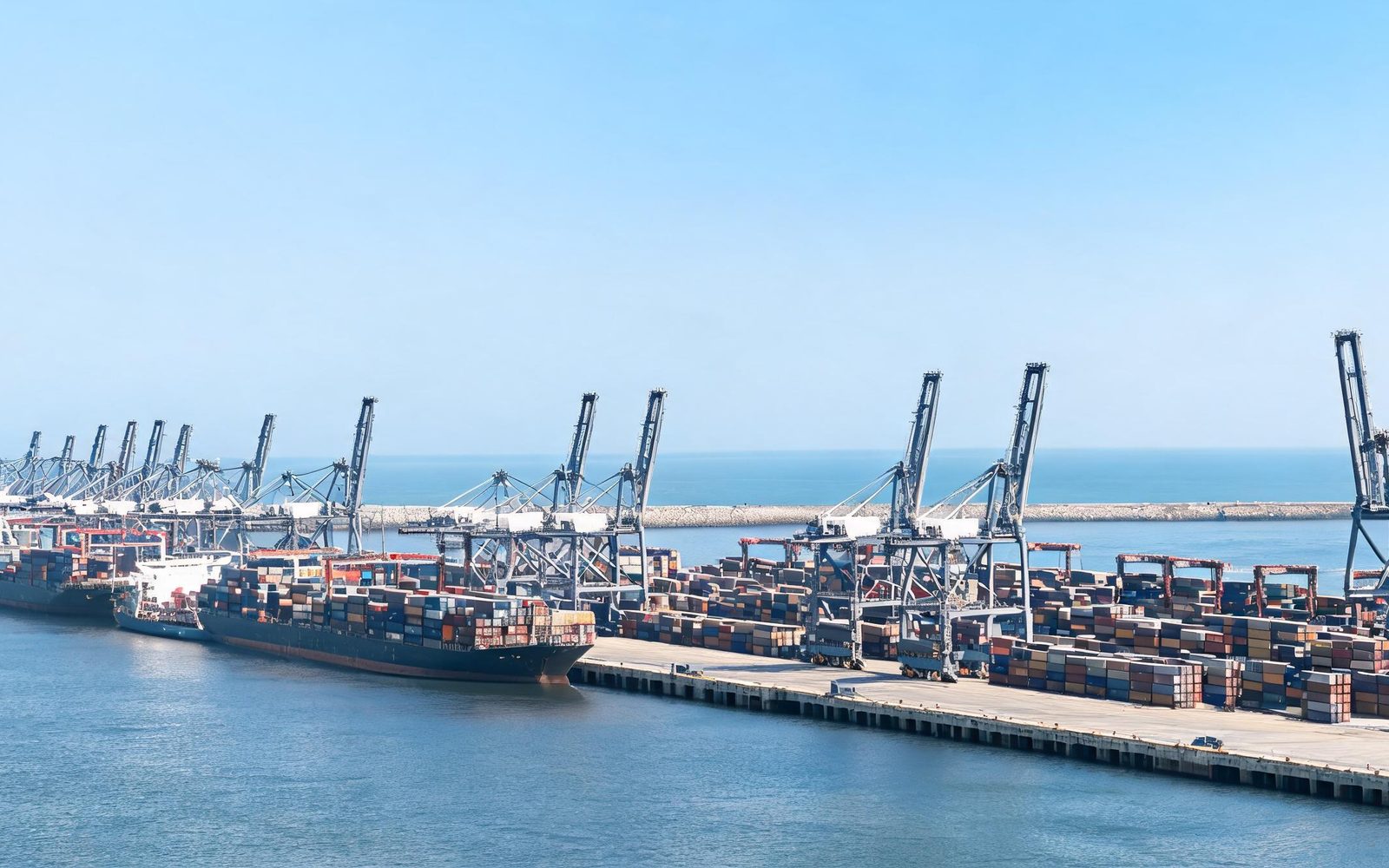
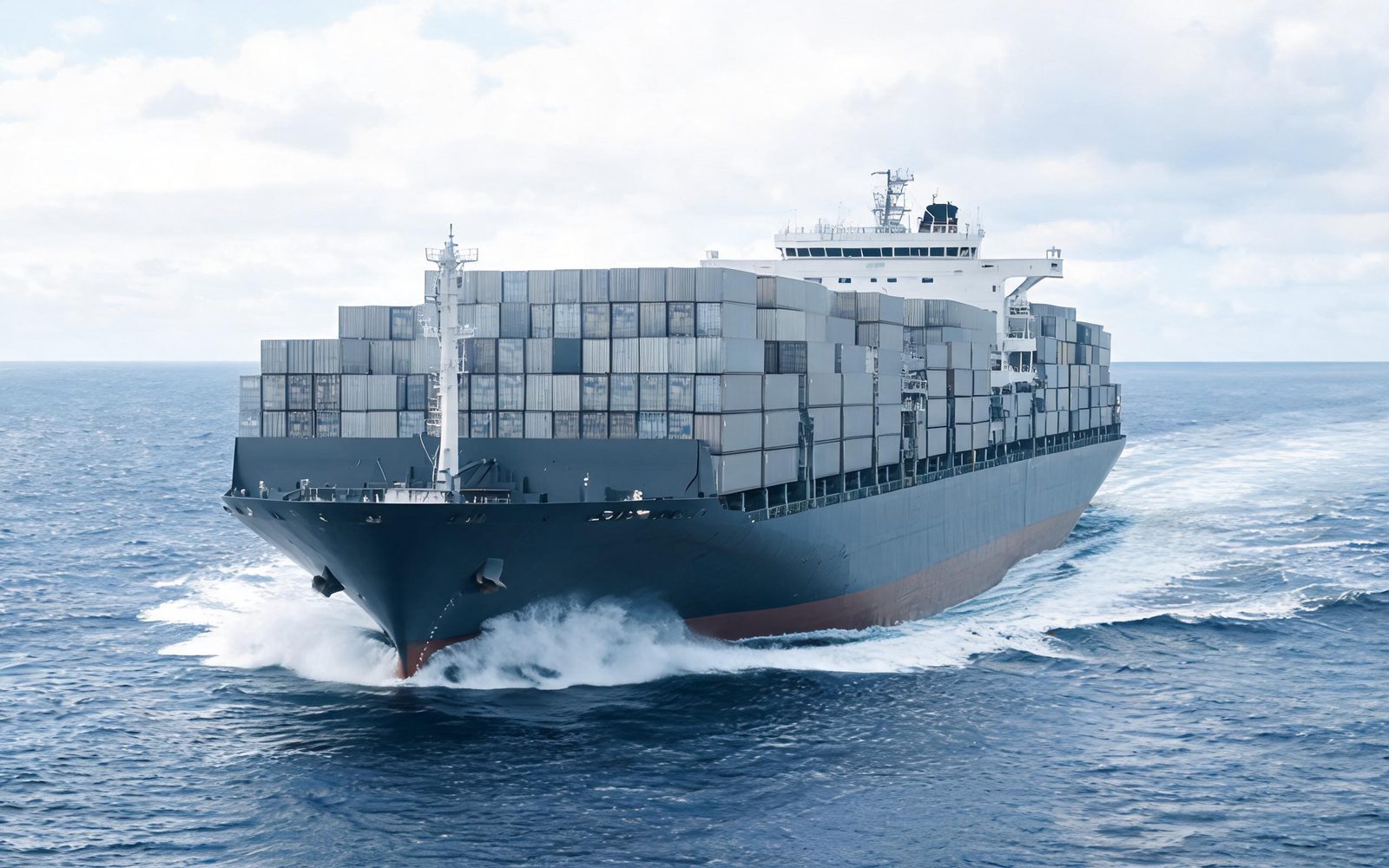
The country's economic life depends heavily on the sea. Most of its trade moves by ship. Its ports are gateways to markets, its maritime zones hold fisheries and other resources, and its coastal communities depend on the marine environment for their livelihoods.
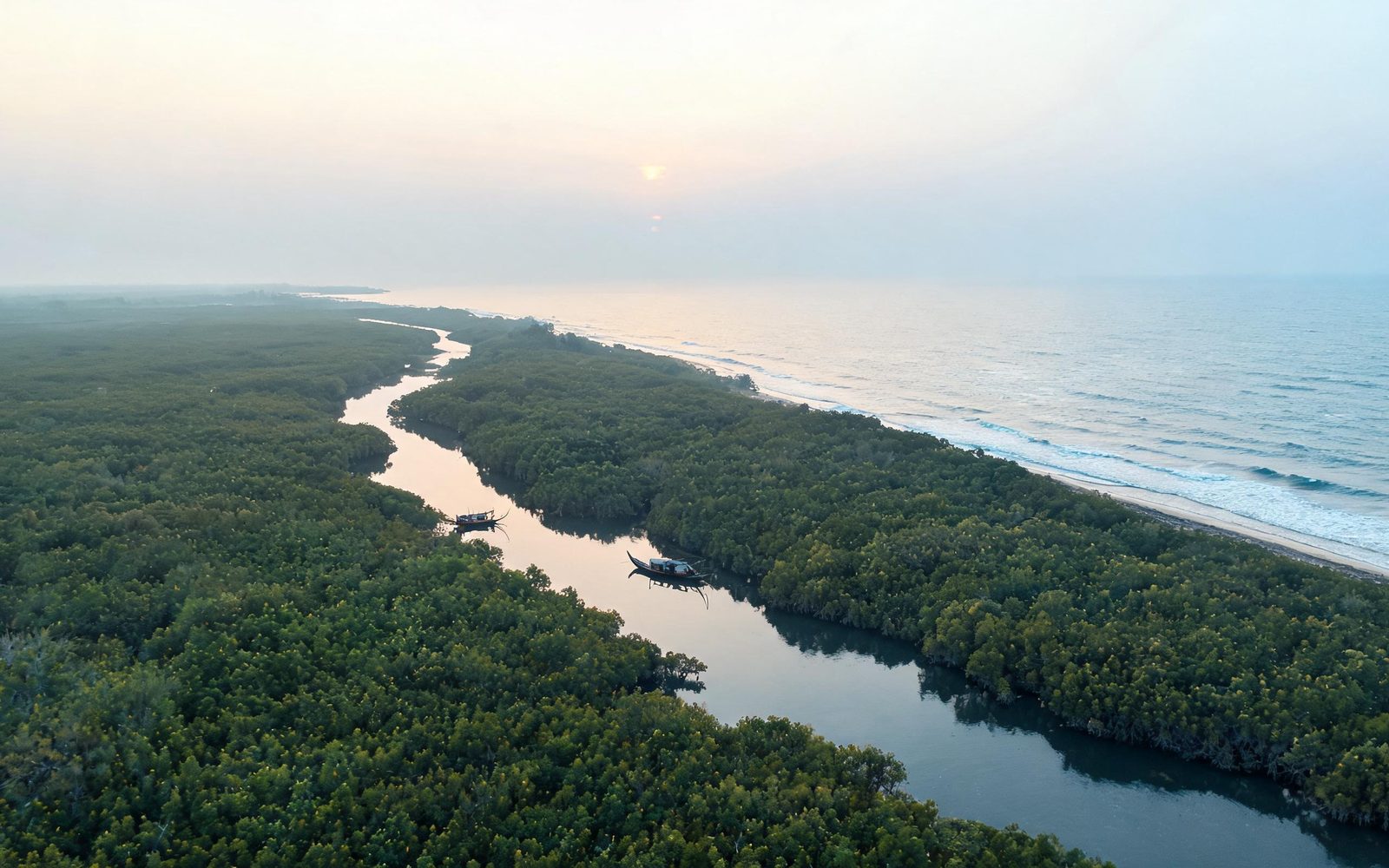
At the same time, the maritime domain is changing. Patterns of trade and energy movement are shifting, environmental pressures on oceans are intensifying, and strategic competition at sea has become more pronounced. These developments carry direct consequences for Pakistan's security and prosperity.
Reliable, independent analysis matters in that setting. Decisions about ports, shipping, maritime governance and marine resources are long-term commitments, and the quality of the analysis behind them shapes their outcome.
At a glance
The Centre's work spans six research areas and a defined method, from framing the question to presenting findings that can be used.
How maritime policy is designed, applied and reviewed — the laws, institutions and administrative arrangements that govern Pakistan's ocean space.
The economic potential of Pakistan's maritime zones — fisheries, marine resources, maritime services and the conditions needed for sustainable growth.
Merchant fleet capacity, crewing, training, seafarer welfare and the regulation that shapes the national shipping workforce.
Port performance, shipping services, trade corridors and the logistics systems that connect Pakistan to regional and global markets.
Security of sea lanes, coastal and offshore interests, maritime domain awareness and the strategic dimensions of Pakistan's maritime environment.
Legal and institutional frameworks for maritime governance, together with the condition and sustainable use of marine resources.
PMRC also undertakes commissioned research for institutions — sector assessments, policy landscape reviews, evidence reviews and comparative studies.
See the full methodPMRC aims to serve as a source of rigorous, independent research on Pakistan's maritime affairs — an institution that specialists respect and that non-specialists can turn to for clarity.
Its role is to ask useful questions, examine them properly, and set out what the evidence suggests. That means conducting research, testing it in dialogue with practitioners and stakeholders, and communicating the results clearly to those who need them.
The Centre also works to develop knowledge and capacity in the field, supporting the growth of a community of researchers, professionals and institutions engaged with maritime questions in Pakistan.
Leadership
PMRC is led by a Director and an Assistant Director who direct the Centre's research programme, institutional partnerships and public engagement.
Director
Maritime policy, strategy and institutional development

Assistant Director
Research programme coordination and institutional affairs
The Centre’s research team, advisers and support staff are listed together on our team page.
Meet the full teamContact
For research collaboration, policy research support, academic engagement or institutional partnership, please get in touch.