Director Research
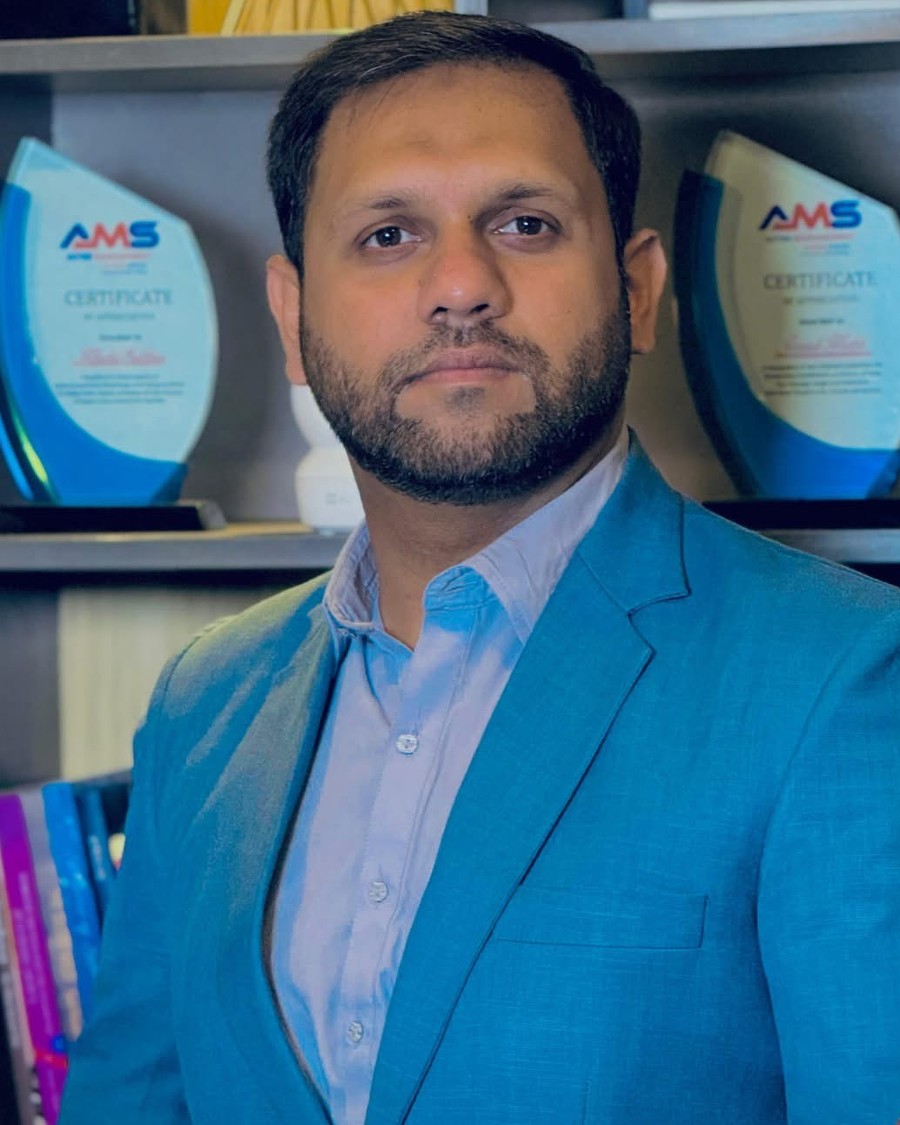
Muhammad Tayyab Ejaz
Maritime policy, strategy and institutional development
An independent think tank working under the guidance of Riphah Institute of Public Policy, Islamabad
PMRC produces research, analysis and evidence-based recommendations on maritime policy, the blue economy, merchant shipping, ports and logistics, maritime security and regional maritime affairs — supporting institutions that need research for better decisions.
Our Institution
The Pakistan Maritime Research Centre is an independent think tank working under the guidance of Riphah Institute of Public Policy, Islamabad.
That relationship gives PMRC academic guidance and a connection to a wider research community. The Centre's analysis remains its own: PMRC is a research centre, not a university and not a separate educational institution.
Who We Are
PMRC studies the questions that shape Pakistan's relationship with the sea: how its ocean space is governed and used; how its ports, shipping and trade corridors perform; what the blue economy can realistically contribute; and how maritime developments in the wider region affect the country's security and prosperity.
The Centre's work is research-led. It examines questions in depth, tests its analysis with practitioners and stakeholders, and presents findings in a form that institutions can use. Its output is written to be useful to decision-makers without being simplified for them.
What We Do
PMRC undertakes policy research, maritime analysis and evidence reviews, and works with institutions that need a rigorous basis for decisions on maritime questions.
See what we doKey Research Areas
PMRC's research is organised around six areas that together cover the breadth of Pakistan's maritime interests.
How maritime policy is designed, applied and reviewed — the laws, institutions and administrative arrangements that govern Pakistan's ocean space.
The economic potential of Pakistan's maritime zones — fisheries, marine resources, maritime services and the conditions needed for sustainable growth.
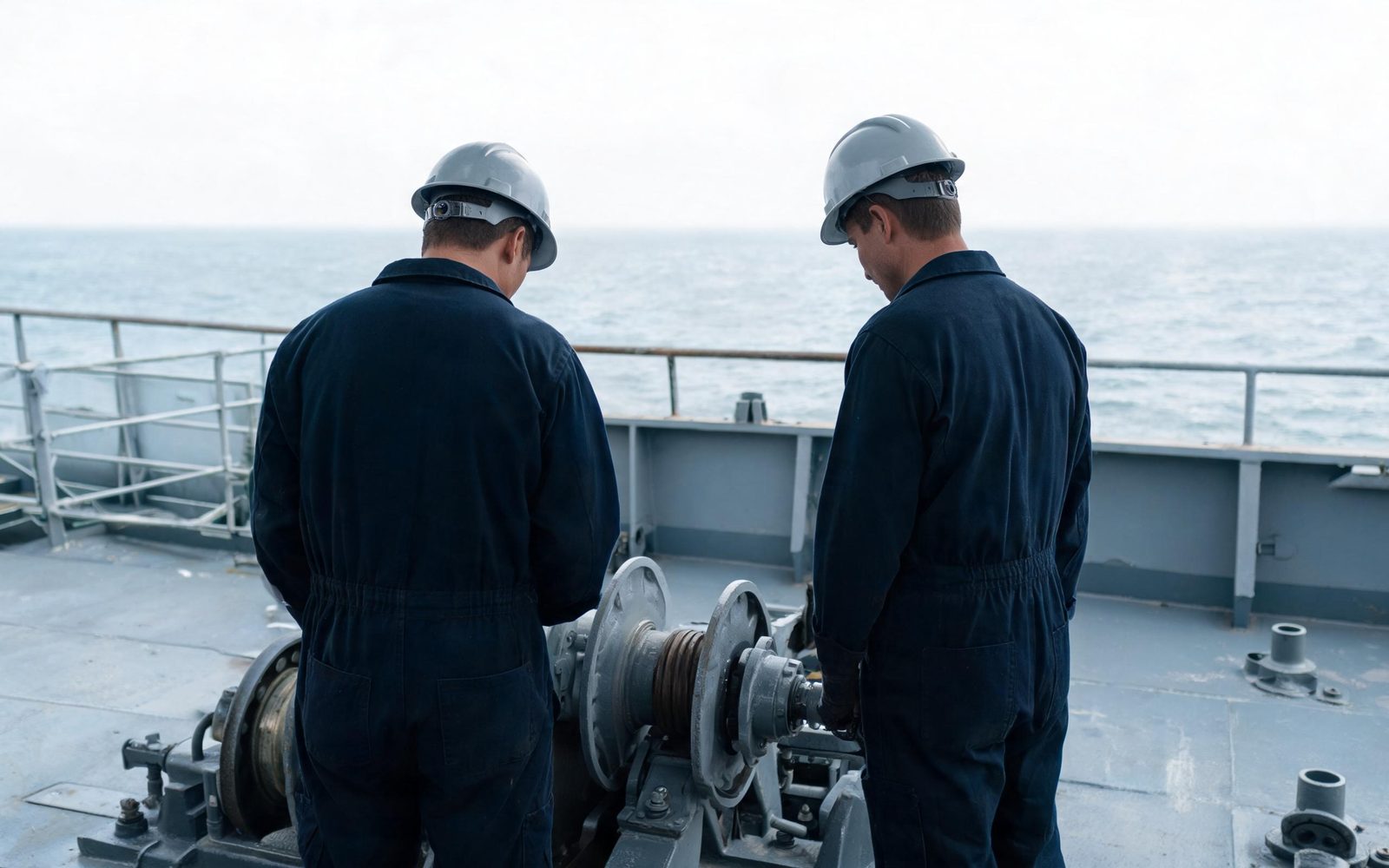
Merchant fleet capacity, crewing, training, seafarer welfare and the regulation that shapes the national shipping workforce.
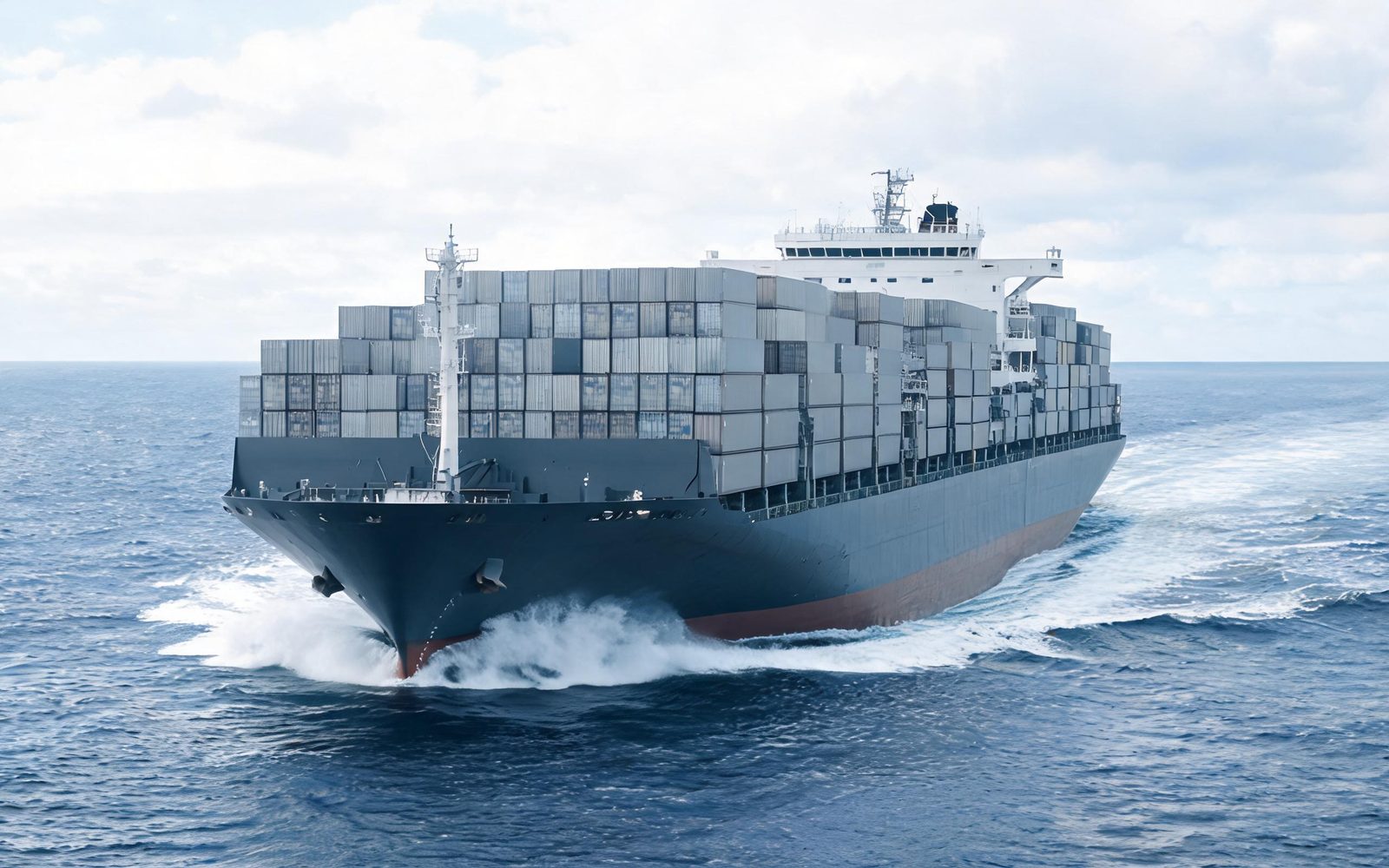
Port performance, shipping services, trade corridors and the logistics systems that connect Pakistan to regional and global markets.
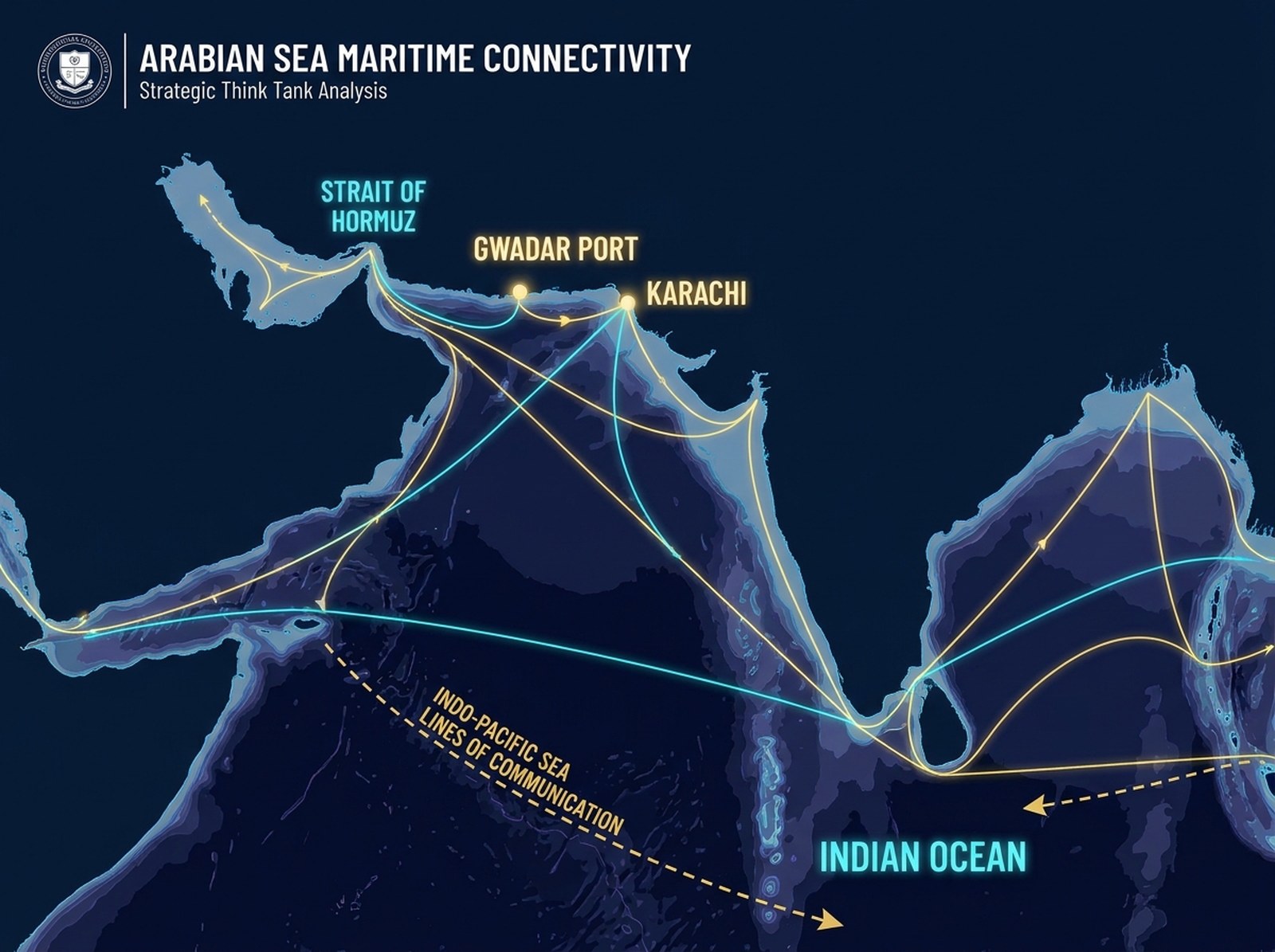
Security of sea lanes, coastal and offshore interests, maritime domain awareness and the strategic dimensions of Pakistan's maritime environment.
Legal and institutional frameworks for maritime governance, together with the condition and sustainable use of marine resources.
How We Work
PMRC's work follows a consistent method — starting with the questions that matter and ending with findings that decision-makers can use.
We begin with the questions that matter to Pakistan's maritime present and future, and gather the evidence needed to answer them properly.
We examine strategic, economic and legal implications — testing assumptions and weighing trade-offs rather than stating conclusions in advance.
We discuss findings with experts, practitioners and institutions so that analysis is informed by those who work with these questions day to day.
We set out clear, evidence-based recommendations, and present them in a form that decision-makers can actually use.
Research With PMRC
PMRC works with institutions on defined maritime and policy research requirements — sector assessments, policy landscape reviews, evidence reviews, comparative studies and research reports. If your organisation needs analysis it can rely on, we would like to hear about it.
Leadership
PMRC is led by a Director and an Assistant Director who direct the Centre's research programme, institutional partnerships and public engagement.
Director Research
Maritime policy, strategy and institutional development
Assistant Director
Research programme coordination and institutional affairs
Latest Maritime News
Short briefings on developments affecting merchant shipping, seafarers, ports and maritime trade, each based on a named source.
The Secretary-General of the International Maritime Organization, Arsenio Dominguez, has appealed for international efforts to secure the release of 44 seafarers being held captive in Somali waters by pirates and armed robbers. The crews are aboard three vessels — Honour 25, Eureka and Sward — hijacked in separate incidents between April and May off the coast of Somalia and in the Gulf of Aden.
The IMO Secretary-General, Arsenio Dominguez, has called on Member States to refrain from actions that endanger merchant ships and put seafarers' lives at risk. Speaking to the organisation's Sub-Committee on Carriage of Cargoes and Containers, he warned of the severe impact of geopolitical tensions on the shipping industry.
Latest Insights
Research-led explainers on Pakistan's maritime sector, written for professionals and researchers.
How the merchant navy pathway works in Pakistan — cadet entry, STCW certification, sea service and progression from rating to officer. A practical explainer.
A plain-language guide to the institutions, laws and policy instruments that govern Pakistan's maritime affairs, from the ministry to the port authorities.
Contact
For research collaboration, policy dialogue, academic engagement or institutional partnership, please get in touch with the Centre.