Pakistan Maritime Policy
Pakistan's Maritime Policy: Who Decides What, and Why It Matters
A plain-language guide to the institutions, laws and policy instruments that govern Pakistan's maritime affairs, from the ministry to the port authorities.
Blog
Substantive explainers written for policymakers, maritime professionals, academics and anyone who needs a clear picture of how the sector works. Organised into topic clusters rather than published as isolated posts.
How this section is organised
Each article belongs to a topic cluster, and articles within a cluster link to one another. The aim is not volume but usefulness: a reader who arrives with a question about Pakistan's merchant navy, blue economy or port system should be able to follow the thread through related material. Where an article makes a factual claim, it cites the source.
A plain-language guide to the institutions, laws and policy instruments that govern Pakistan's maritime affairs, from the ministry to the port authorities.
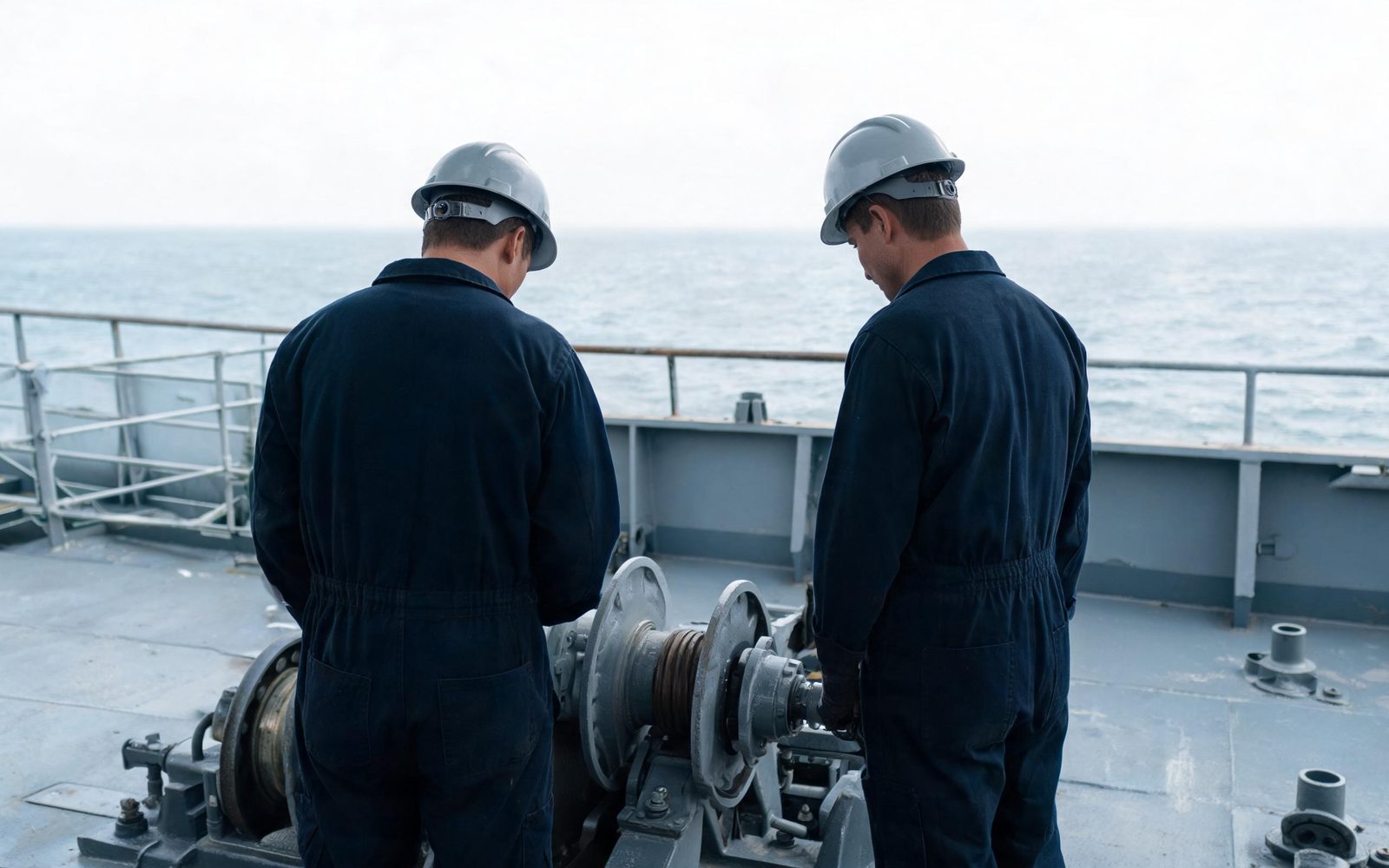
How the merchant navy pathway works in Pakistan — cadet entry, STCW certification, sea service and progression from rating to officer. A practical explainer.
Seafaring is a services export. This explainer examines certification, crewing, officer shortages and why the strategic question is skill level, not seafarer numbers.
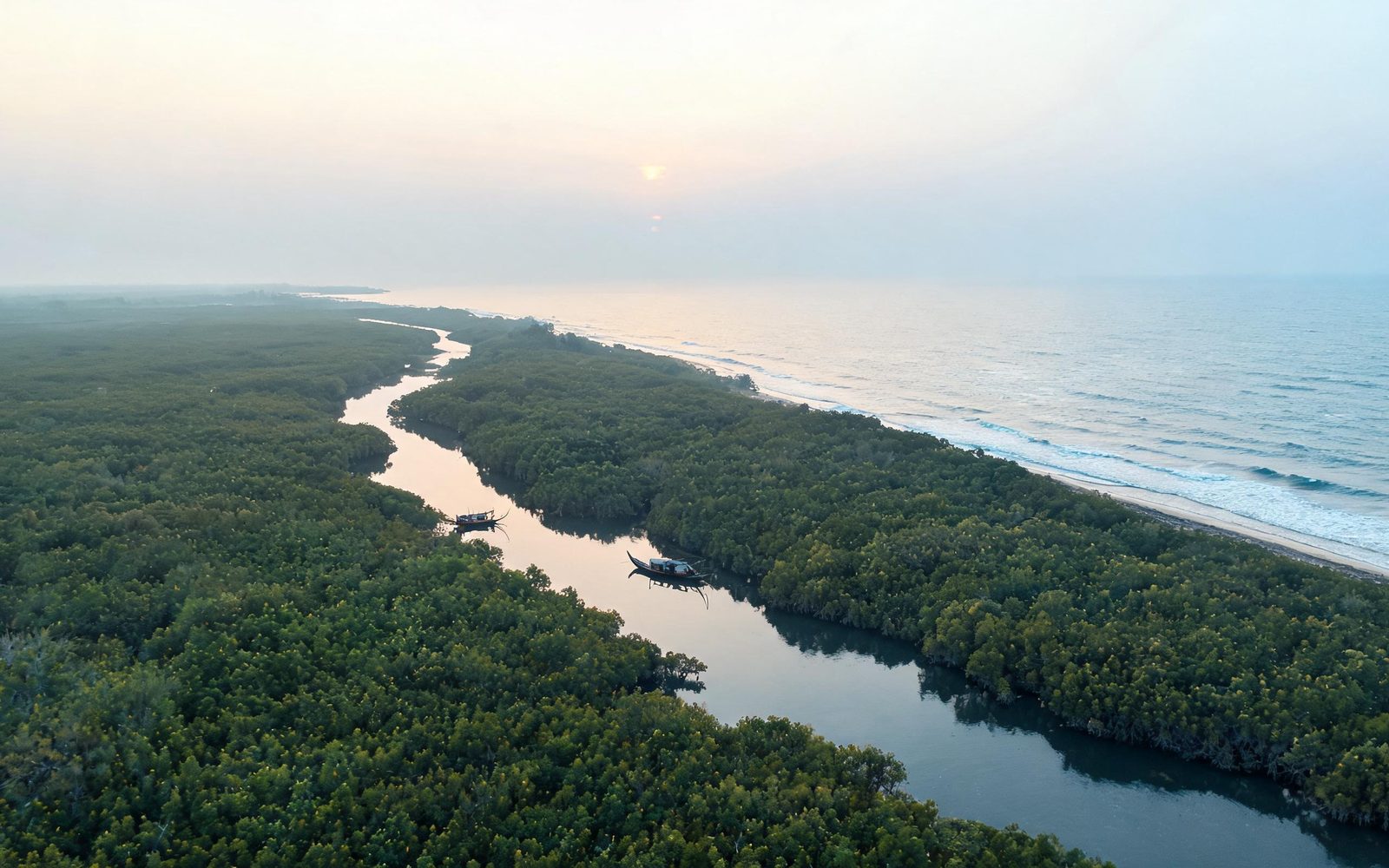
Pakistan's blue economy potential is widely cited. This explainer sets out what the term covers, where the value actually sits, and the constraints that limit growth.
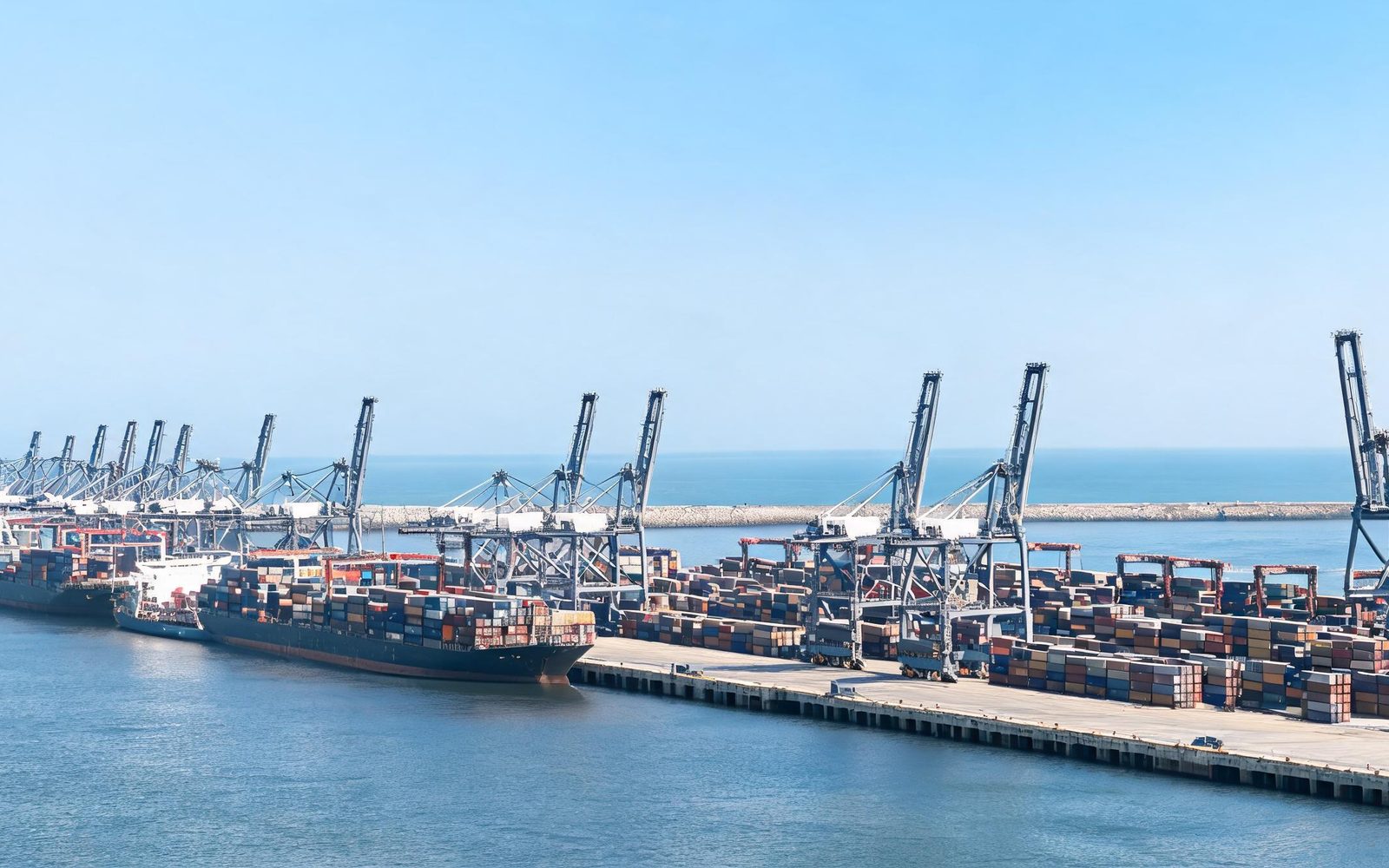
A clear comparison of Karachi Port and Port Qasim — their scale, cargo mix, governance, constraints and what distinguishes them as Pakistan's main trade gateways.
Gwadar is often discussed strategically and rarely commercially. This explainer separates the two and sets out what determines whether the port becomes an economic node.
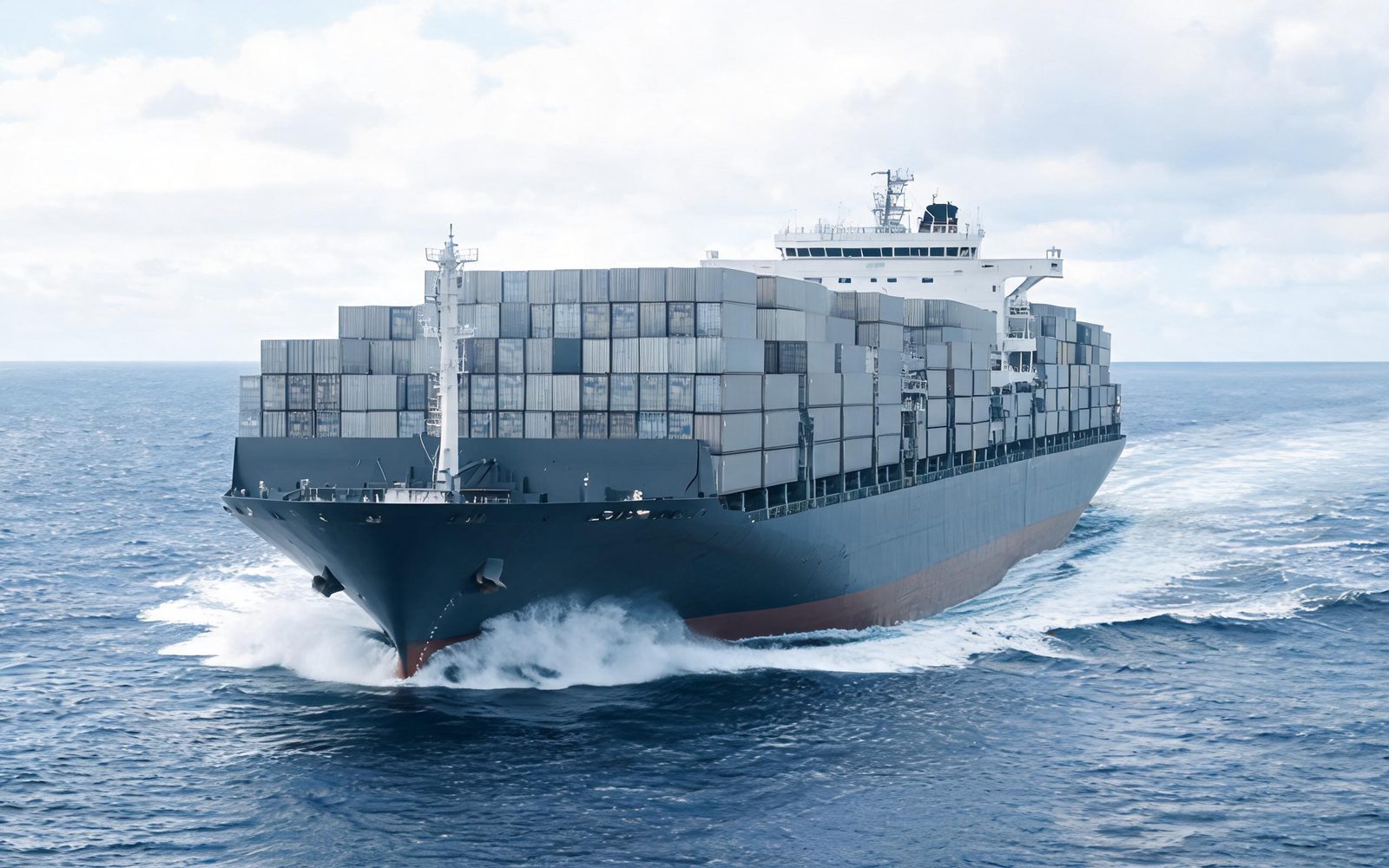
Why Pakistan's national shipping capacity remains small relative to its trade — the structural, financial and regulatory factors, and what reform would require.
An analytical look at maritime security in the North Arabian Sea — the threats that matter, how sea lanes create exposure, and where policy attention is best directed.
How Pakistan's seaborne trade depends on a small number of sea lanes and chokepoints — and why that concentration is a strategic and economic exposure.
What the UN Convention on the Law of the Sea actually provides for Pakistan — territorial sea, exclusive economic zone, continental shelf rights and the duties that come with them.
Looking for PMRC's own research output rather than explainers? Our Publications is where the Centre's academic and policy research will be published as it becomes available.
Contact
Where a question needs primary research rather than a general explainer, PMRC undertakes commissioned studies, evidence reviews and policy briefs for institutions.