IMO calls on states to stop attacks on merchant ships and seafarers
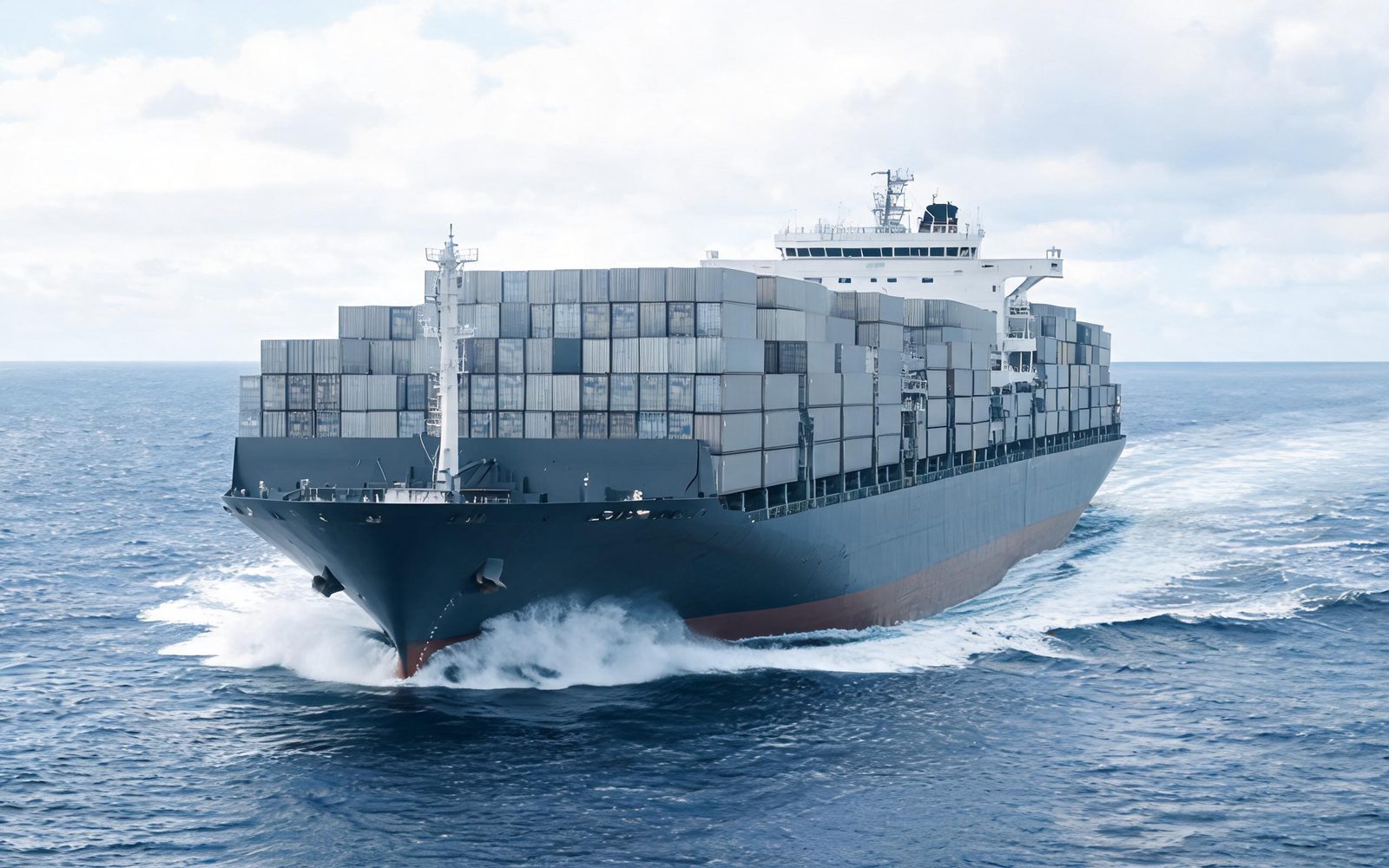
The IMO Secretary-General, Arsenio Dominguez, has called on Member States to refrain from actions that endanger merchant ships and put seafarers' lives at risk. Speaking to the organisation's Sub-Committee on Carriage of Cargoes and Containers, he warned of the severe impact of geopolitical tensions on the shipping industry.
Since the current conflict in the Middle East began on 28 February, the IMO has verified 80 attacks on international shipping in and around the Strait of Hormuz, resulting in the deaths of at least 22 seafarers and injuries to many others. Attacks in the Red Sea have also resumed, with four fatalities confirmed in the latest attack on a merchant vessel on 11 August. In the Black Sea and Sea of Azov, dozens of fatalities have reportedly resulted from attacks in recent months, although precise numbers are difficult to verify.
The Secretary-General emphasised that the attacks are not attributable to a single actor, and said that while addressing the root causes of geopolitical conflict falls outside the IMO's remit, the impact on global maritime trade is increasingly evident. He urged delegates to raise these effects with their governments and in the relevant international forums.
Why It Matters
The Strait of Hormuz is the maritime gateway closest to Pakistan's interests, and disruption there propagates westwards along the North Arabian Sea. The IMO's verified figures give a clear, evidence-based picture of a conflict that has moved from a regional dispute into a direct threat to commercial shipping and to the people who crew it. For Pakistan, three implications stand out: the exposure of national seafarers serving on internationally flagged vessels; the pressure on energy and container transit through the region; and the value of supporting multilateral mechanisms that keep navigation and crew protection within a rules-based framework. Research that quantifies these exposures would give national decision-makers a firmer basis than headline reporting alone.
Source
International Maritime Organization — Read the original
Contact
Research that goes beyond the headline
For analysis of maritime developments affecting your institution, PMRC undertakes commissioned research, evidence reviews and policy briefings.